Thursday, January 31, 2013

Hollywood, Jews, & Hollywood Jews

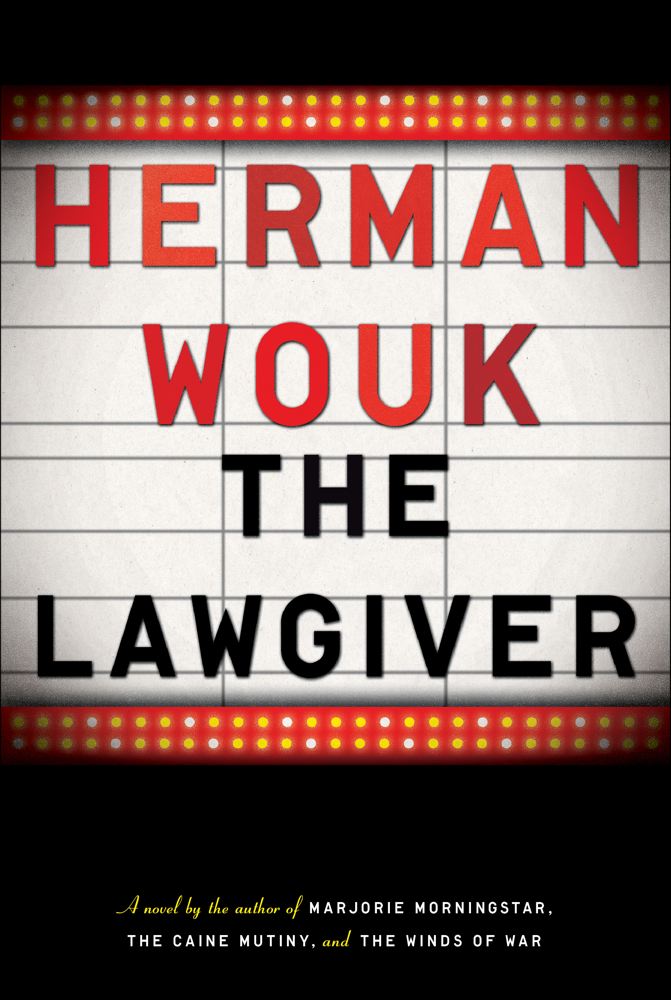
The Lawgiver
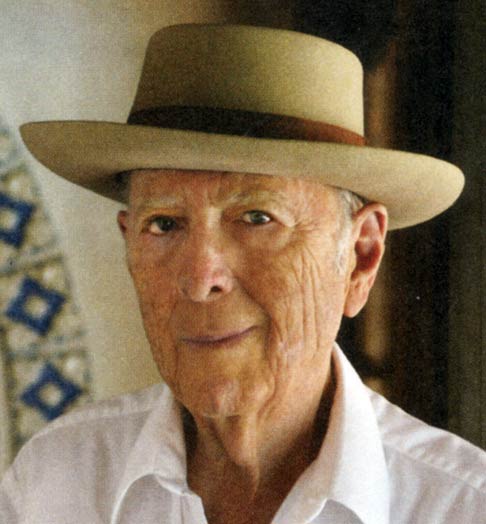
by Herman Wouk

Ninety-seven-year-old Herman Wouk (or a fictionalized version of him) is minding his own business. And his business, as you know, is writing novels. He’s finally tackling the ambitious project he’s wanted to write for decades, the story of Moses. It is a huge coincidence, therefore, when a hot Hollywood producer finagles a meeting insisting that he’s the only man for the job of writing a Moses screenplay.

Well, Mr. Wouk wants nothing to do with this. Meetings are refused until a rabbi intervenes. Ultimately, it is revealed that the epic film’s funding—through unconventional sources—rests upon Wouk’s participation. Under duress, he agrees to act as a consultant to the film, with final script approval. A screenwriter for this all-but-unwritable film must be found. Enter Margo Solovei, a young, independent film auteur who has eschewed her orthodox Jewish upbringing. And it is actually Margo who is at the novel’s heart, as she pursues this project while dealing with producers, directors, actors, Herman Wouk, and any number of people tying her to her roots.

I doubt I can express how much I loved this novel! Oh, how I laughed! It’s true that I am Jewish, and that I have worked in the film industry, so it’s possible that the tale “spoke” to me more than it might to some, but Wouk’s satire is dead on. Not just of an industry, but of human nature. I guess nearly a century of life gives a man some perspective. Also, as the Booklist reviewer astutely pointed out, there are subtle reflections of Wouk’s classic 1955 coming of age novel, Marjorie Morningstar, adding an additional layer of pleasure for fans such as myself. It’s really quite amazing the various themes and commentaries that Mr. Wouk manages to work into this slender novel. It’s playful as hell, but still whip smart.

Oh, yeah, I should mention that this is an epistolary novel, always a fun and inventive way to tell a tale. It’s comprised of letters, emails, faxes, IMs, Skypes, transcripts, voicemails, and so forth. Through the correspondence of the characters’ personal and professional lives, a web of connections is formed. And in the end, The Lawgiver is a romantic comedy. I rooted for lovers to find their way. I rooted for unsavory characters to get their comeuppance. And I rooted for Mr. Wouk, who has proved that at 97 he is as sharp as he ever was. I was moved by the novel’s epilogue, and I shall be waiting with anticipation for his next two novels.

Wednesday, January 30, 2013

Matt Richtel knows how to hook readers...

The Cloud
by Matt Richtel

…The openings of his novels are always grabbers. In The Cloud, protagonist Nat Idle is waiting to catch a late-night train when an enormous drunken man staggers into him. They both crash to the ground, with Nat very nearly thrown to the tracks in front of an oncoming train. A near-death experience instead becomes a nasty crack on the head, and a kind passerby rushes to assist. The drunk takes off, with a paper falling from his pocket as he exits. Nat’s ready to write the incident off, grateful to have gotten off relatively lightly—until he picks up the paper the man dropped. His name is on it. This was no accident.

That is merely the beginning of another of Idle’s investigative adventures. For a medical journalist and blogger, he does seem to become embroiled in some dark stuff. This story involves a technology designed to help kids learn to multi-task that may be causing a far more serious side effect. And yet, as intense of the plots of these novels are, at their heart they are character-driven, and none more so than this latest installment. Character absolutely drives plot, but in this case, prior knowledge of the character from his debut in Hooked or Devil’s Plaything would be helpful. Nat sustains a head injury in that opening scene. It affects him. He’s not himself, and I think that will be appreciated more by readers acquainted with the character. Nat’s funny, friendly, flawed, and fallible. He’ll go after a story like no one’s business. But in The Cloud, he’s altered. And he’s something of an unreliable narrator, which makes an already convoluted mystery that much more mysterious.

Mr. Richtel, incidentally, is also a journalist. By day, he writes about technology for the New York Times. He, in fact, won a Pulitzer Prize for doing so a few years ago. My point is, the man can write. His prose has an effortless readability, a sense of fun, and frequently rises above what one expects to find in a thriller. The novel moves swiftly, as events take place over the course of just a few virtually sleepless days. Furthermore, by the time all is revealed, the elegance and intricacy of the novel’s plot will become apparent. Oh, I had suspicions along the way. Some were right, many were wrong. But once I knew the truth, it was all so clear. The clues were salted everywhere.

Richtel didn’t learn about character development, pacing, and plot on the day job. I’m not sure where he learned the tools of his trade, because in this novel especially, he eschews literary convention while at the same time embracing certain genre tropes, for instance a beautiful and mysterious woman straight out of a detective noir. Tropes are tropes for a reason, and Richtel has his fun. But it’s where he diverges from convention, notably with this novel’s conclusion, that things get really interesting. I can’t discuss the choices made without spoilers, so I’ll simply say that Mr. Richtel wrapped up his mystery in a way that was unexpected, unconventional, sophisticated, and satisfying.

And aside from solving the mystery, Mr. Richtel has taken his protagonist into uncharted territory. The tale comes to a complete conclusion with no annoying cliff-hangers, but Nat evolves so much (and so believably) in this novel that I’m now consumed with knowing what the next chapter in his life will bring.

NOTE: For local San Francisco readers, Matt will be appearing along with novelist Sophie Littlefield at the SF in SF literary series on Saturday, February 9, 2013 at 7:00pm.  Please join me there!

Monday, January 21, 2013

What DID Susan read in 2012?


1. Rules of Civility – Amor Towles ★★★★★
2. The Night Swimmer – Matt Bondurant ★★★
3. The Odds – Stewart O’Nan ★★★★★
4. Bet Me – Jennifer Crusie ★★★
5. Stories I Only Tell My Friends – Rob Lowe ★★★★★
6. Sleeping Beauty – Elle Lothlorien ★★★★
7. Stay Awake: Stories – Dan Chaon ★★★★
8. Love and Shame and Love – Peter Orner★ ★★★★
9. The Spy Who Jumped Through the Screen – Thomas Caplan ★★
10. Hope: A Tragedy – Shalom Auslander ★★★★
11. The Borrower – ★★★
12. The Orphan Master’s Son – Adam Johnson ★★★★★
13. The Roswell Conspiracy – Boyd Morrison ★★★★★
14. Gideon’s Corpse – Douglas Preston & Lincoln Child ★★★
15. The Secret Adversary – Agatha Christie ★★★★
16. 150 Pounds – ★★★★
17. The Flame Alphabet – Ben Marcus ★★★
18. Horizon – Sophie Littlefield ★★★★★
19. Bloodland – Alan Glynn ★★★★★
20. Defending Jacob – William Landay ★★★★★
21. Starters – Lissa Price ★★★★★
22. The Secret of the Sands – ★★★
23. Back to Zero – ★★★
24. Entangled – ★★★
25. The Snow Child – Eowyn Ivey★★★★★
26. Ragnarok – A.S. Byatt ★★★
27. Beat the Reaper – Josh Bazell ★★★★★
28. Wild Thing – Josh Bazell ★★★★★
29. The Hunger Games – Suzanne Collins ★★★★★
30. Catch Me – Lisa Gardner ★★★★★
31. The Eden Prophesy – Graham Brown ★★★★★
32. Extremely Loud and Incredibly Close – Jonathan Safran Foer ★★★★★
33. How to Cook Like a Man – Daniel Duane ★★★★
34. The Technologists – Matthew Pearl ★★★
35. The Rook – Daniel O’Malley ★★★★★
36. The Help – Kathryn Stockett ★★★★
37. The Starboard Sea – Amber Dermot ★★★
38. The Dressmaker – Kate Alcott ★★★★
39. River Monsters: True Tales of the Ones That Didn’t Get Away – Jeremy Wade ★★★★
40. Clawback – Mike Cooper ★★★★★
41. The Salmon of Doubt – Douglas Adams ★★★★
42. The Mirage – Matt Ruff ★★★★
43. The Games – Ted Kosmatka ★★★
44. This is How – Augusten Burroughs ★★★★
45. Catching Fire – Suzanne Collins ★★★★★
46. The Good Father – Noah Hawley ★★★★★
47. The Vanishers – Heidi Julavits ★★★★
48. How to Eat a Cupcake – Meg Donohue ★★★★
49. The Lifeboat – Charlotte Rogan ★★★★
50. The Thief – Fuminori Nakamura ★★★★
51. Mockingjay – Suzanne Collins ★★★★★
52. Angelmaker – Nick Harkaway ★★★★★
53. The Professionals – Owen Laukannen ★★★★★
54. The Importance of Being Earnest – Oscar Wilde ★★★★★
55. Edge of Dark Water – Joe Lansdale ★★★★★
56. Love is Murder – ITW ★★
57. The Philanthropist’s Danse – Paul ★★★★★
58. Oath of Office – Michael Palmer ★★★★
59. The Gilly Salt Sisters – Tiffany Baker ★★★
60. Gods Without Men – Hari Kunzru ★★★★★
61. The Return of the Ancients – Greig Beck ★★
62. An Economist Gets Lunch – Tyler Cowen ★★★★★
63. The Innocent – David Baldacci ★★★★
64. Wife 22 – Melanie Gideon ★★★★★
65. The New Republic – Lionel Shriver ★★★★
66. Lunatics – Dave Barry & Alan Zweibel ★★★★
67. Don’t Turn Around – Michelle Gagnon ★★★★★
68. The Fault in Our Stars – John Greene ★★★★★
69. Sorry Please Thank You – Charles Yu ★★★★
70. Overseas – Beatriz Williams ★★★★
71. White Lies – Jeremy Bates ★★
72. Guilt By Degrees – Marcia Clark ★★★★★
73. The Age of Miracles – Karen Walker Thompson ★★★★★
74. Discretion – Alison Leotta ★★★★★
75. The Deep Zone – James Tabor ★★★★
76. The Columbus Affair – Steve Berry ★★★
77. How to Talk to a Widower – Jonathan Tropper ★★★★
78. Fool Moon – Jim Butcher ★★★★
79. In One Person – John Irving ★★★★★
80. The Chemistry of Tears – Peter Carey ★★★★★
81. The Third Gate – Lincoln Child ★★★★★
82. Canada – Richard Ford ★★★★★
83. Bloodline – James Rollins ★★★★★
84. Strindberg’s Star –Jan Wallentin ★★
85. They Eat Puppies, Don’t They? – Christopher Buckley ★★★★★
86. The 500 – Matthew Quirk ★★★★
87. Gone Girl – Gillian Flynn ★★★★★
88. The Long Earth – Terry Pratchett & Stephen Baxter ★★★★★
89. Don’t Ever Get Old – Daniel Friedman ★★★★★
90. ParaNorman – Elizabeth Cody Kimmel ★★★
91. The Conviction – Robert Dugoni ★★★★
92. The Maze Runner – James Dashner ★★★
93. Beautiful Ruins – Jess Walter ★★★★★
94. The Key – Simon Toyne ★★★★
95. SecondWorld – Jeremy Robinson ★★★★
96. A Bad Day for Mercy – Sophie Littlefield ★★★★★
97. Alif the Unseen – G. Willow Wilson ★★★
98. Ice Fire – David Lyons ★★★
99. Beneath the Dark Ice – Greig Beck ★★★★
100. The Dangerous Animals Club – Stephen Tobolowsky ★★★★
101. Shunning Sarah – Julie Kramer ★★★★
102. 15 Seconds – Andrew Gross ★★★★
103. Harry Lipkin, Private Eye – Barry Fantoni ★★
104. Gold – Chris Cleave ★★★
105. The Next Best Thing – Jennifer Weiner ★★★★★
106. On the Island – Tracey Garvis Graves ★★★★★
107. Some Kind of Fairy Tale – Graham Joyce ★★★★
108. The Prisoner of Heaven – Carlos Ruiz Zafon ★★★★★
109. Shadow of Night – Deborah Harkness ★
110. Medusa’s Glance and Vampire’s Kiss:The Science of Monsters – ★★★★
111. Kill Decision – Daniel Suarez ★★★
112. Spiral – Paul McEuen ★★★★★
113. Albert of Adelaide – Howard L. Anderson ★★★★★
114. The Unlikely Pilgrimage of Harold Frye – Rachel Joyce ★★★★★
115. John Saturnal’s Feast – Lawrence Norfolk ★★
116. The Fear Index – Robert Harris ★★
117. One Last Thing Before I Go – Jonathan Tropper ★★★★
118. The Pidgeon Pie Mystery – Julia Stuart ★★★
119. The Dog Stars – Peter Weller ★★★★★
120. Liar & Spy – Rebecca Stead ★★★★
121. The Last Dragonslayer – Jasper Fforde ★★★★★
122. Where’d You Go, Bernadette? – Maria Semple ★★★★★
123. The Survivor – Gregg Hurwitz ★★★★
124. Telegraph Avenue – Michael Chabon ★★★★★
125. The Passage – Justin Cronin ★★★★★
126. What in God’s Name? – Simon Rich ★★★★
127. The House at Tyneford – Natasha Solomons ★★★
128. Power Play – Joseph Finder ★★★★
129. The Cove – Ron Rash ★★★★
130. The Map of the Sky – Felix J. Palma ★★★★★
131. NW – Zadie Smith ★★★
132. Breed – Chase Novak ★★★★
133. Hanging by a Thread – Sophie Littlefield ★★★
134. How Literature Saved my Life – David Shields ★★★★
135. This is How You Lose Her – Junot Diaz ★★★★★
136. The Woman Who Died a Lot – Jasper Fforde ★★★★★
137. The Satanic Verses – Salman Rushdie ★★★★
138. Siri For Dummies – Marc Saltzman ★★★★
139. The Yellow Birds – Kevin Powers ★★★★★
140. Joseph Anton – Salman Rushdie ★★★★
141. The Twelve – Justin Cronin ★★★★★
142. Run – Blake Crouch ★★★
143. American on Purpose – Craig Ferguson ★★★★
144. The Cat Behind the Hat – Caroline M. Smith ★★★★★
145. Sailor Twain: The Mermaid on the Hudson – Mark Siegel ★★★★
146. The Blood Gospels – James Rollins & Rebecca Cantrell ★★★★★
147. The Casual Vacancy – J.K. Rowling ★★★
148. The Sign of the Four – Arthur Conan Doyle ★★★★★
149. Goldberg Variations – Susan Isaacs ★★★★
150. Mr. Penumbra’s 24-Hour Bookstore – Robin Sloan ★★★★★
151. The Middlesteins – Jami Attenberg ★★★★
152. Red Rain – R. L. Stein ★★
153. The Secret Keeper – Kate Morton ★★★★
154. Mrs. Queen Takes the Train – William Keuhn ★★★★
155. A Working Theory of Love – Scott Hutchins ★★★★
156. Back to Blood – Tom Wolfe ★★★★★
157. The Racketeer – John Grisham ★★★★
158. Heads in Beds: A Reckless Memoir of Hotels, Hustles, and So-Called Hospitality – Jacob Tomsky ★★★★
159. Nine Stories – J.D. Salinger ★★★★★
160. The Round House – Louise Erdrich ★★★★★
161. Flight Behavior – Barbara Kingsolver ★★★★
162. Alice in Wonderland – Elle Lothlorien ★★★★
163. Bloodsucking Fiends: A Love Story – Christopher Moore ★★★★★
164. Peaches for Father Francis – JoAnne Harris ★★★★
165. I Saw Zombies Eating Santa Claus – S.G. Browne ★★★★
166. The Lawgiver – Herman Wouk ★★★★★
167. Sweet Tooth – Ian McEwan ★★★★★
168. Life Among Giants – Bill Roerbach ★★★★★
169. Far From the Trees – Andrew Solomon ★★★★★
170. Big Brother – Lionel Shriver ★★★★★
171. The Beginners Goodbye – Anne Tyler ★★★★
172. Battle Royale – Koushun Takami ★★★
173. Fairy Tales from the Brothers Grimm – Philip Pullman ★★★★★
174. Mannheim Rex – Robert Pobi ★★★
175. A Hologram for the King – Dave Eggers ★★★★★
176. Warm Bodies – Isaac Marion ★★★★★
177. Billy Lynn’s Long Halftime Walk – Ben Fountain ★★★★★
178. Nano – Robin Cook ★★
179. Behind the Beautiful Forevers – Katherine Boo ★★★★★
180. Home – Toni Morrison ★★★★★
181. The Newlyweds – Nell Freudenberger ★★★★★
182. Arcadia – Lauren Groff ★★★★★
183. Two Graves – Douglas Preston & Lincoln Child ★★★★★
184. Dear Life: Stories – Alice Munro ★★★★★
185. Tell The Wolves I’m Home – Carol Rivka Brunt ★★★★★
186. Colin Fischer – Ashley Edward Miller & Zack Stentz ★★★★★
187. Dangerous Waters – Toni Anderson ★★
188. The Guernsey Literary and Potato Peel Pie Society – Annie Barrows & Mary Ann Shaffer ★★★★★
189. The Orchardist – Amanda Coplin ★★★★★
190. The Innocent – Taylor Stevens ★★★★
191. One Shot – Lee Child ★★★★
192. A Thousand Pardons – Jonathan Dee ★★★★
193. Divergent – Veronica Roth ★★★★★
194. Little Known Facts – Christine Sneed ★★★★
195. Let’s Pretend This Never Happened (A Mostly True Memoir) – Jenny Lawson ★★★★
196. Too Bright to Hear Too Loud to See – Juliann Garey ★★★★
197. Cover of Snow – Jenny Milchman ★★★
198. Risky Business – Nora Roberts ★★★
199. Blessed Are Those Who Thirst – Anne Holt ★★★★
200. The Death of Bees – Lisa O’Donnell ★★★★★
201. Extinction—Mark Alpert ★★★★
202. Half-Blood Blues – Esi Edugyan ★★★★


Story Collections (7)
Re-reads (11)
Young Adult (15)
Non-Fiction (17)

★ = 1
★★ = 11
★★★ = 31
★★★★ = 68
★★★★★ = 91
Friday, January 18, 2013

Top 10 Books of 2012


Let me take this opportunity to offer a belated "Happy New Year!" to my tens of followers. I hope that 2013 is off to a good start for all.

Yes, I have been a bad blogger again. Life has been challenging. Blogging is time-consuming. And that's all I'm going to say about that. I thank you all for sticking with me, and I'll try to do better moving forward. That's what new year's resolutions are for, right?

One of my favorite things about the end of the old year and the beginning of the new one are all the top 10 lists. I have participated by posting a top 10 lists of my favorite books each year. This year was among the very hardest to narrow down due to the sheer number of books I read in 2012. In the end, these were my choices. It is my habit and tradition to only rank my #1 book. All others are listed in the order in which they were read.

1. Telegraph Avenue by Michael Chabon

The Orphan Master’s Son by Adam Johnson

Gods Without Men by Hari Kunzru

The Age of Miracles by Karen Thompson Walker

In One Person by John Irving

Where’d You Go, Bernadette by Maria Semple

This is How You Lose Her by Junot Diaz

The Round House by Louise Erdrich

A Hologram for the King by Dave Eggers

Tell the Wolves I’m Home by Carol Rivka Brunt

*****

I have to tell you, I have spent the past several days crafting a fantastic blog post. I wrote a paragraph or more on why each book was selected. It had live links to the books, the authors, video I shot, and lots of cover art. I saved it dozens of times along the way, and I was almost finished. It would have been posted tonight. And then it just... disappeared. And only the tinest bit of it was recoverable. I don't know why. I'm fairly sick about it. And I don't have the energy to recreate the effort. So, I'm afraid all you get this year is a list. :-(

Suffice it to say, I cannot recommend these 10 books highly enough.

In brighter news, my next post will list all 202 books I read in 2012.

Friday, November 16, 2012

“Which story do you prefer?” A film review from a literary perspective


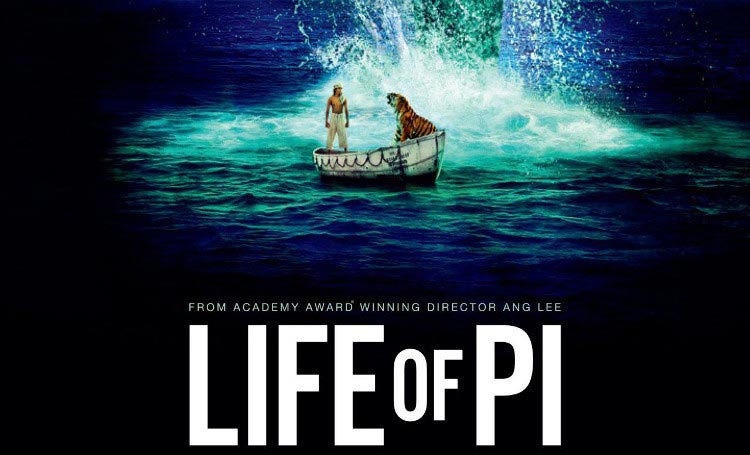
Wow, this has been an exciting fall for literary adaptations! I read Yann Martel’s Life of Pi a decade ago and thought it was fantastic storytelling. I cheered when it won the Man Booker Prize. So, I was quite excited to attend an advance screening recently with several members of my book group. I remembered the novel quite well in broad strokes, but not the fine detail. I didn’t refresh my memory before watching the film, but was curious enough to reread Life of Pi in its entirety before writing this review. The film is very true to the novel in spirit and tone, but there are small changes, additions (generally positive), and elisions (some noteworthy).

The film opens similarly to the novel. The idea is the same, but the execution is slightly different. Different mediums require different storytelling tools. For instance, I believe most film-goers will readily recognize The Writer (portrayed by actor Rafe Spall, who replaced a distractingly famous Toby Maguire) as a stand-in for author Martel. In the novel, it is Martel himself, in direct address to readers, who fulfills this role, effectively blurring the line between fact and fiction. It is established that this story is being related to The Writer by an older Pi. From there, readers are introduced to a young Piscine Molitor Patel and the world he inhabits. It’s a charmed childhood, being raised at the Pondicherry Zoo amongst a loving family and exotic animals—an Indian “We Bought a Zoo.” These scenes are as lush and colorful as any Bollywood musical.

I’ve discussed this novel with other readers countless times over the years. It’s beloved by many, but truly hated by a vocal minority. I’ve never understood the vitriol, personally. Martel writes beautifully and accessibly. His story is fast-paced and yet deeply rooted in character. And it explores the boundless subject of faith through an extraordinary tale—a “story to make you believe in God.” But one complaint I’ve heard from readers is frustration over (or lack of interest in) Pi’s religious explorations early in the novel. The young man is a practicing Hindu, Christian, and Muslim. Martel never belabored the point, but those readers will be gratified to see that director Ang Lee has streamlined the beginning of the tale to move more swiftly to the meat of the story.


And that comes about when Pi’s family packs up their lives, their animals, and moves the whole kit and caboodle to Canada by ship. Well, that’s the plan. Something goes wrong in rough seas outside of Manila. The ship goes down in a haunting scene, and now the stage is set. Sixteen-year-old Pi is shipwrecked in a lifeboat with a zebra, an orangutan, a hyena, and a 450-pound adult Bengal tiger named Richard Parker. It’s survival of the fittest on the high seas, and things get Darwinian fast. Soon enough, it’s Pi and Richard Parker in it together.

When I first heard the premise of this novel, somehow I thought Richard Parker would be some kind of cute, anthropomorphized tiger, and oversized puddy tat. He was not. He was a terrifying predator, and he stayed a terrifying predator, throughout Pi’s ordeal. This was much the same in the movie (although not quite to the degree as in the novel, a change commented upon by Martel in the Hollywood Reporter). Richard Parker was scary in the book, but he was terrifying on the screen. I flinched as he snarled and lunged in 3D.

From here, both novel and film take on an episodic or picaresque quality. The film is delightfully dream-like from its opening frames. (An early scene of the swimming pool from which Pi derives his name enchanted me!) But as the days at sea pass, and the ribs of both animals become plainly visible, the film shifts from dream-like to hallucinatory. Episodes and encounters become increasingly extraordinary. Sitting in the audience, I could clearly discern who had read the novel and who had not by the gasps and exclamations. (Among my friends, the film was enjoyed equally by those who had read the book and those who had not.)

Yes, there are episodes that are missing from the film, one of which is quite notable. Fans may miss it. And, yet, I can understand the choices made. Cuts were judicious. As noted earlier there are a few small shifts and changes. But this is a very faithful adaptation of Martel’s novel, and I suspect it will please most fans of the original. What is lost is more than made up for by how Ang Lee has brought Martel’s fantastic vision to life.


The cinematography and design of this film is exquisitely beautiful. I’m not a huge fan of 3D technology, but once in a while it seems to really augment a film. Such is the case here—all the better to experience a small boat on the vast ocean. And while we’re on the subject of technology, the CGI work on the tiger is seamless. None of us could detect where the real tiger ended and the computer-generated beast began. I have heard that young Suraj Sharma never once filmed with the live animal. For safety, their scenes were filmed separately. And I don’t know how much footage was of a real cat. All I can say is that the illusion is extraordinarily believable. That a first-time actor could give such a convincing performance playing opposite an imaginary tiger is doubly impressive. The success of the film lies firmly on Sharma’s moving portrayal of 16-year-old Pi, but the supporting performances were equally strong. It was Spall’s response to Pi’s story at the end of the film that actually gave me chills.

I’ve been circumspect about revealing specifics of the plot. I’ll leave all the surprises of Pi’s voyage intact for those new to the tale. And readers of the novel can see for themselves what made the cut. About the ending… Those who have read the novel know what to expect. Now film-goers can join the debate we’ve been having for the past decade. In the end, it truly is all about faith. Which story do you prefer?

President Barack Obama's note to Yann Martel after reading Life of Pi.

Tuesday, November 6, 2012

Get out the vote!


Last week, I received this email from novelist Ayelet Waldman:

To win this election, we have to do whatever it takes to convince swing state voters to turn out and vote for Obama.

To that end, I'm hosting a call party

Sunday November 4th
4 pm

Please join me. You bring your cell phone, I'll supply the treats.

Ayelet


I don't know how I got this invitation from Ayelet. I mean, I don't know if she sent this to everyone on her mailing list, or just folks in the Bay Area, or people she sort-of knew, or what. But I got it, and it was welcome.

I know this is a book blog and not a political blog, so see how I integrate the literary and the political on this important day...

The fact is, Ayelet Waldman and her husband Michael Chabon live over in Berkeley, right across San Francisco Bay from me. It's a pretty safe assumption, on both of our parts, that we share a similar left-leaning ideology. And both Ayelet and Michael have been extremely public and outspoken in their support of the President, so I don't think I'm outing anyone. I was pretty sure they'd visited the White House at some point, but it turns out there are far more connections than just that. A quick Google search informs me that Ayelet and Barak Obama were at Harvard Law together. She was hugely active in his 2004 campaign, and attended the 2004 Democratic Convention as an Obama delegate. She, Michael, and their kids also attended his historic inauguration in DC. (And as a native Washingtonian, I still remember my bitterness at not being able to fly home for the occasion.) As for Michael, he went one step further--he wrote Mr. Obama a significant cameo appearance in his most recent novel, Telegraph Avenue (which I rave about here).


So, Ayelet, Michael, and me, we're all good, Obama-supporting Democrats. Personally, as a San Franciscan, I always have a sense of frustration that my vote is meaningless, or "doesn't count." I mean, I don't think that anyone is worried about the Democrats winning San Francisco, or California for that matter. I'm just voting with the pack out here. I want to make a difference in Florida and Michigan and Ohio and Nevada! And that's what Ayelet's invitation allowed me to do in a very small way. I was thrilled to be able to accept her invitation--and not just because I was curious to, let's face it, check out the home of these two writers that I so admire.

I have teased on this blog in the past that Ayelet has squinted at me on many occasions and asked, "How do I know you?" I decided to head that off at the pass by marching up her porch on Sunday and announcing, "Hi, Ayelet, I'm Susan Tunis. Thanks for having me over." To my surprise, when I said my name, Ayelet indicated that she knew who I was, and I believed her. ( Don't know what that's about.) But, I have to tell you that she and Michael were the consummate hosts. They were both friendly, casual, and inviting, and people--they'd turned their home into a war room! There were volunteers at computers and on phones everywhere. I'd arrived exactly on time, but when I entered their kitchen (filled, as promised, with all the snacks and beverages anyone could possibly want) there was activity in full swing. It left me wondering if they'd held their call party in shifts? Had they been doing it all day?  All weekend?  All fall?

What I can tell you is that those two are campaigning pros. They weren't on the phone, but circulating constantly: welcoming, training, troubleshooting. "Anyone having trouble getting on the Internet? Michael will help you." At another point, Ayelet told us to take over her house, to spread out, because we had the run of the place. "I don't care. You can go make calls on my bed--don't tell my husband I said that." (I think it's safe to say that Michael Chabon has better things to do than read my blog.) I can further assure you that I did not wander their house. The parts I saw on the first floor were very, very nice, but also felt real--like real people with four kids lived there. It was a nice, warm, friendly house. That was more than enough to satisfy my curiosity.

Actually, I felt kind of shy being in their home. I've had so many interactions with both of them in bookstores and at lit events over the years. And I feel pretty comfortable in that environment, because it's the right time and place to discuss books and be a fan. But on Sunday, I was a guest in their home, and I was there to do an important job--one I felt really strongly about giving my all. Michael was super friendly when he saw me, but I had a phone to my ear, and it just didn't feel like the right time or place to be that geeky girl who loves his books. (I'm a fan of Ayelet's as well, BTW. I've read and enjoyed quite a few of her books, starting way back with the Mommy Track mysteries.) So, I didn't really kibitz with my hosts or the other guests while I was there. Just the most minimal small talk. But everyone was friendly and working towards a common cause. I made as many phone calls as I could over the course of a few hours. I did the best I could to persuade people in Nevada and Ohio to turn out to vote for Obama.

Before I left, I again thanked Ayelet for inviting me. I told her the best part of joining them was all they taught me and that I could now do on my own moving forward. ("Yes, that's sort of the idea.") I only wish that I'd learned earlier! But I have confidence that my newly-acquired political activism skills will get called upon in the future. Now MoveOn.org and Obama for America have all my info. I suspect I'll be called on again. And again. And I'll answer the call, because I do feel strongly about issues and the direction of this country. I'm so lucky to live in a city where almost everyone thinks like I do. We're proud of our "San Francisco values" out here.

I don't know if you share my opinions or if you'll be voting for my guy, but I urge you to get out and vote today. This is the time to let your voice be heard. It's a privilege, and I get excited every time I do it. Please, get out the vote!

And one final thank you to Ayelet Waldman and Michael Chabon for opening their home to all of us in the hope that we could do some collective good. Their generosity and just...awesomeness, it staggers. Go out and buy their books or something. They're amazing people.


Thursday, November 1, 2012

Is there hope for the Middlesteins?

The Middlesteins
by Jami Attenberg

Edie Middlestein is a wife, mother, grandmother, lawyer, Jew, retiree, and an addict—not necessarily in that order. Edie is addicted to food, and her story starts not at a certain age, but at a specific weight: “Edie, 62 pounds.” Her life is recounted not in passing years, but in gaining pounds. But the bulk of this tale is relating Edie’s later adulthood. Edie’s children, Robin and Benny, are grown. Even her grandchildren are entering their teen years. At this point, Edie is morbidly obese—well over 300 pounds—sick, and her husband of decades, Richard, has just left her.

In the pages of this brief novel, Jami Attenberg has drawn a detailed character study of a woman and a family in crisis. As you may have gathered, this is a character-driven, rather than plot-driven tale. It’s less a matter of what’s going to happen—because I think we all know what’s going to happen—than whether it’s too late for these people. Is change possible? Is happiness possible?

Attenberg’s characters are finely-drawn, both sympathetic and deeply flawed in almost all cases. The issues with which they deal have the messy complexity of real life, without tidy narrative structures. Is it reprehensible to leave your sick wife? Yes, yes it is. But is it unreasonable to seek happiness? No it is not. These are the sort of issues wrestled with by the members of the dysfunctional Middlestein family.

There are no easy answers, but there insights into human nature along the way. I cared about these people. I hoped for them. In the end, that’s all you can do.

Wednesday, October 24, 2012

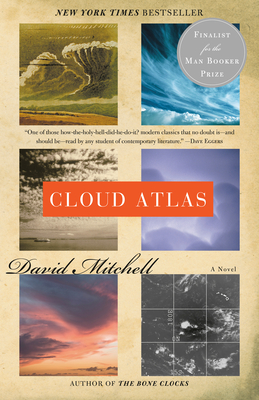
CLOUD ATLAS: An early review from a literary perspective


David Mitchell is one of my absolute favorite writers, and Cloud Atlas is among my favorite novels. It was my top pick for 2004, and it made my Top 10 Best of the Decade list a few years back. I've previously blogged about my unusual first encounter with Mr. Mitchell while he was touring for Cloud Atlas. Good times!

Anyway, considering my love of the novel, you can imagine that I've been looking forward to the film with equal measures of anticipation and trepidation. You always want the film to do the source material justice, but it's rare that it actually happens. And especially when you're looking at as complex a novel as Cloud Atlas. It was said by many to be unfilmable, and if asked, I would have agreed.

And I would have been so very wrong. What Andy Wachowski, Lana Wachowski, and Tom Tykwer have achieved is nothing short of astounding. I'll cut to the chase and tell you that I LOVED this film. It will surely be my favorite of the year.

Have you read Cloud Atlas? The novel has a very unusual structure. Mitchell's an experimental writer. The novel is composed of six linked stories taking place in six different time periods and comprised of six different literary genres. Yeah, that's not too ambitious. The novel opens with the most distant story in the past, a 19th century adventure at sea. Halfway through, the story ends abruptly, mid-sentence. Next, we're at the home of a once-eminent European composer in the early 20th century. That, too, ends abruptly, and now we're embroiled in a mystery in early 1970's San Francisco. But halfway through the tale just stops and we're on to a high comedy set in the present day. After reading half of Timothy Cavendish's dreadful ordeal, we're suddenly in the science fiction world of futuristic and dystopian Seoul--for half a story. And finally, we're in far-distant, post-apocalyptic Hawaii, in a tale written entirely in pigeon English. And at last, the story goes all the way through to the end, after which the second half of the Seoul story commences, followed by all the others.

The film is... totally not like that. It's structured completely differently, with quick scenes from all six stories rapidly juxtaposed against each other. There is constant shifting. It's an amazing way to tell the tale(s), but it works. It more than works. It really drives home the novels abstract themes of connectedness. After the film, one of the things we commented upon was the staggering job of editing this film. I can't imagine what went into it, but it was masterful.

What these three writer/directors--apparently with limited input from Mr. Mitchell--did with this screenplay is extraordinary. It is brilliant. Now, it's been eight years since I read the novel, so my memory of the details is not so fresh, but by my reckoning, the screenplay was remarkably true to Mitchell.  I recognized dialogue taken verbatim from the novel.  Yes, there were elisions, but they were minor. The composer's daughter was removed entirely. She's a character that stands out in my mind due to a memorable later cameo in Mitchell's Black Swan Green, but you know what? She was superfluous. The film didn't need her. I'm sure there were other minor changes, but nothing at all that made me cry foul. No, as I watched the film, memories of the novel came flooding back in the most wonderful way. These filmmakers did a magnificent job of realizing the world(s) that David Mitchell had created.


The film boasts an impressive a-list cast that includes Tom Hanks, Hallie Berry, Jim Broadbent, Hugo Weaving, Jim Sturgess, Doona Bae, Ben Whishaw, Susan Sarandon, Hugh Grant, and so many others. And you've never seen these actors like this. No one has. Go to IMDB and read the cast credits. They're all double, triple, quadruple, quintuple, and sextuple cast! You can't possibly catch or recognize all of their iterations. The actors change race, nationality, and gender across the roles. The makeup work is magical, and if the film doesn't win the Oscar, there is simply no justice. Trying to spot Hugh Grant (mostly in smaller supporting roles) buried under old man or cannibal makeup is all kinds of fun, but this is far more than Hollywood stunt casting. The casting reflects the novels themes. It gets the message across at times almost subliminally. It also gives these stars the opportunity to really stretch their acting muscles.  Tom Hanks brings down the house in a brief comic turn as a thuggish author. When have we seen this actor play so many different colors in a single film? It reminds viewers of just how good he is. Oh yeah, that's what those Oscars were for. The same can be said of much of the cast. I strongly encourage you to stay for the credit--at least long enough to see the photos of the actors in their many roles flash by. You will be shocked by what you missed. THAT was Hallie Berry? you'll find yourself thinking.

Oh, and look for author Mitchell in a cameo as a "Union Spy." I didn't catch him, but I'll be on the lookout next time. Because I plan to see this film many, many times. There's just too much to take in. I'd venture I'll catch something new every time I see this film in years to come. Even at the lengthy running time of 2:42, I was ready to walk right back in the theater and start over from the beginning. The film held me transfixed, and I can't wait to see it again. Not to mention, I've already got a wish list in my mind of DVD extras!

I don't generally write movie reviews, but Cloud Atlas has inspired me. The ideas, the themes, the imagery of David Mitchell's wonderful and ground-breaking novel have sprung to life. It is magical. I attended an advance screening with several members of my book group the other night, and there was equal enthusiasm from those who had read the novel, and those who hadn't. Among my group, there were six thumbs way up, and one lonely dissenter--but she can write her own review. Mine is an unqualified rave. Go. See. This. Film.

Monday, October 22, 2012

VIDEO: Meet Scott Hutchins. (Or, This is what it takes to get me to read a book.)


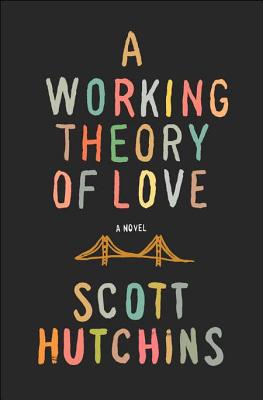
Scott Hutchins and his debut novel, A Working Theory of Love, first came to my attention last June at BEA, or BookExpo America, a huge publishing trade show. The novel had a lot of what industry insiders call "buzz." People were interested. Reviews were positive. I grabbed a galley.

I didn't read it, of course. I mean, it wasn't even scheduled to be published until October, and I had way more books I had to read between now and this novel's pub date. But I did look at the book. I liked the title, and was that...? Yes, it's a highly-stylized representation of the Golden Gate Bridge on the cover. Hmmm, both author and story are local. Bonus points.

I still didn't read the book. I was waiting for Penguin to come through with an electronic galley so that I could read it on my Kindle. (Paper is so five years ago.) Those weasels at Penguin never did cough up that e-galley. And so, I attended Scott Hutchins' local launch party at The Booksmith on Haight Street without having read the novel.

And this is how it happens sometimes with me: an unknown author impresses me at a reading. Such was the case with Scott Hutchins--at his first ever event for his debut novel--and so now, at long last, I am reading the book. (And, so far, it is excellent.)

Scott got me off to a good start with the reading recorded here. In the video at the top of this page, after a few opening remarks, he begins reading from the beginning of the book. That reading continues through video 5 of 7 below. I was surprised, later, when reviewing this footage, that he had read for almost half an hour, somewhat on the long side for this sort of thing. It didn't feel that long at all in the store. He really held the audience rapt. It's a strong opening, and he read it well.

The last two video segments on this page constitute a brief Q & A session, also worth watching. Mr. Hutchins teaches at Stanford, and he handles himself well in front of an audience. ( BTW, sorry about the brief shakiness in the first video; it passes fairly quickly d a workable shooting angle.  This is actually better footage than what is usually seen on this blog, LOL. )

The crowd at the Booksmith launch party.
So, I mentioned above that this was a launch party hosted by The Booksmith. Those guys are awesome, and they unfailingly throw a lovely event. And one of the nicest things about the San Francisco literary community is that they come out for each other. I can't tell you how many times I've encountered Bay Area literary luminaries at an event celebrating a far less well-known writer. Case in point, who did I run into that night? Adam Johnson, author of one of my favorite novels this year, The Orphan Master's Son.

As it happens, I'd had a really nice interaction with Johnson in that very same bookstore last January on the night of his launch. I'd similarly blogged and posted video, after which Mr. Johnson, a truly lovely man, had sent me a note of thanks via snail mail. Who does that? To say I was charmed is an understatement. So, when I saw him at this event, I approached to reintroduce myself and thank him for his note. The reintroduction was unnecessary. Mr. Johnson remembered exactly who I was and introduced me to his companions with such flattering words that I blushed. Seriously, what a genuinely nice man he is! (That's not a compelling reason to read his novel, but after reading close to 200 novels in 2013, I can tell you without hesitation that The Orphan Master's Son will be on my Top 10 List at the end of the year. Niceness has nothing to do with it.)

But, speaking of lovely interactions, I did speak with Scott Hutchins at the event as well. I explained the reason I'd had a video camera in his face the whole evening was that I was a book blogger. He, too, inexplicably seemed to know my name and blog. (I assure you this is unusual.) I'd forgotten to bring my galley to the event, but seeing as we are both local, I told Scott that I'd undoubtedly "see him around town."

I received a very nice and unexpected follow-up email from Scott a few days later, so he really must known my name, because I never gave him my contact info. And it turns out that I was quite right, as I ran into him twice the week following this event. I was worried he'd think I was a stalker, but it was a major lit week in San Francisco, with both the Litquake Festival and the Northern California Independent Booksellers' Association Trade Show going on. I'm exhausted again just thinking about it.

Anyway, it turns out that Scott Hutchins is as pleasant as he is talented. In our interactions, he always seemed very authentic, and not at all like a schmoozing author on tour. I did eventually get a copy of A Working Theory of Love signed, and I am very much looking forward to finishing the novel and hopefully reviewing it in the not too distant future. For now, I'm happy to be able to share this event that finally introduced me to Scott Hutchins.

 
Oh, and one more thing... If you're inspired to read the novel as I was, I totally know where you can get a signed first edition. That's right, from the awesome folks at The Booksmith. They have amazing customer service and can ship anywhere. I'm just sayin', support your local indies!


Friday, October 19, 2012

The Queen of England has gone rogue!

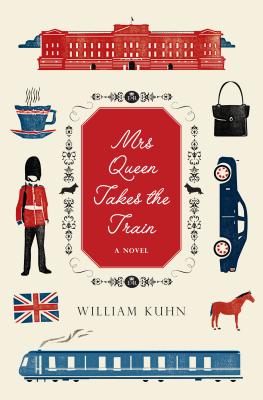
Mrs. Queen Takes the Train
by William Kuhn

Not so much Sarah Palin-style, but she has slipped her handlers. It started innocuously enough. Elizabeth (or “Little Bit” as she addresses herself) has been feeling rather blue. The monarchy has taken more than a few hits in the last several years. After a visit to her favorite horse, the stable girl loans The Queen a “hoodie,” as it has begun sleeting outside. This unusual attire, adorned with skull and crossbones, lends her instant anonymity, and she simply can’t resist embarking upon a small adventure. A jaunt to the local cheese shop segues into an impromptu trip to Scotland.

Back at the palace, panic ensues. A small band of The Queen’s most loyal staff brainstorm about where she could have gone. They’re determined to corral her back home before the press and public get wind of the fact that she’s missing and unattended.

This is non-fiction writer William Kuhn’s debut novel, and he’s off to a winning start. There have been many comparisons between Mrs. Queen Takes the Train and Alan Bennett’s perennial favorite, The Uncommon Reader. The comparisons are somewhat apt, and not even Kuhn is dodging them:
“’Did you read the one about The Queen becoming a reader?’ said the woman in spectacles to the young man at her side. ‘I did enjoy that one. So funny. And of course, being a reader myself, I liked that side of it.’”
That’s the sort of awkward subject that can crop up when you’re a queen conversing with commoners in mufti. But actually, The Queen’s interactions with her subjects are gentle and surely eye-opening.

Kuhn’s story is told not only from the monarch’s POV, but also from that of the staff pursuing her. These are likeable and only slightly damaged individuals. Their pursuit becomes a bonding experience, giving Kuhn a canvas on which to paint several different shades of relationship forming. He spends a fair amount of time at the top of the book introducing his cast, developing the characters, and establishing the workings of the palace.

It’s all rather sweet. But Kuhn isn’t ignoring the real world as he spins his tale. There is social commentary on subjects that include racism, homelessness, terrorism, animal rights, and mental illness, making Kuhn’s novel slightly less twee than Bennett’s novella. I’m not one of those Americans infatuated with royalty, but I found it all rather charming. And who couldn’t find it in their heart to empathize with a queen?